
Briggs Stratton Generator Logo
Lifecycle coordination

Briggs Stratton Generator service, from load survey to return-to-ready

A generator is a system of decisions: connected load, transfer sequence, fuel availability, site ventilation, battery health and accountable maintenance. Our service path keeps those decisions visible from early planning through scheduled exercise and fault response.

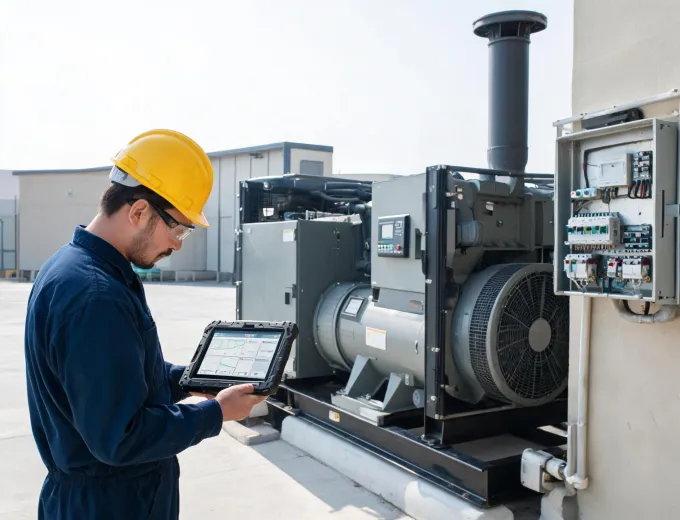
Generator technician reviewing transfer system data
Horizontal service path

Four handoffs, one operating record

01

Site & Load Survey

Document service voltage, essential circuits, motor starting current, allowable outage window, generator location, exhaust clearance and local sound constraints. A field survey reduces the risk of selecting from nameplate totals alone.

  • Load schedule and step sequence
  • Fuel and placement constraints
  • Authority-having-jurisdiction questions
02

Controls Definition

Map ATS behavior, start signals, warm-up, retransfer delay, cool-down and exercise timing. Where connected monitoring is used, identify alarm recipients and escalation rules before commissioning.

  • Transfer and bypass strategy
  • Alarm ownership matrix
  • Network availability review
03

Commissioning Evidence

Confirm rotation, voltage, frequency, transfer operation and load response under documented test conditions. Site acceptance is tied to recorded readings rather than a simple start-and-stop observation.

  • No-load and loaded observations
  • ATS functional sequence
  • Baseline battery and runtime record
04

Maintenance Planning

Build inspection intervals around runtime, environment, fuel condition and criticality. Exercise events do not replace oil, filter, coolant, battery or connection checks required by the applicable model documentation.

  • Calendar and runtime triggers
  • Consumables and parts planning
  • Return-to-ready closeout
Acceptance checkpoints

Numbers that make service discussions concrete

4control phases recorded: start, transfer, retransfer, cool-down
2load views compared: running demand and starting demand
1named owner for every remote alarm escalation
0open critical faults at return-to-ready handoff

Scope boundary: remote connectivity cannot correct fuel degradation, blocked airflow, depleted batteries or mechanical faults. Signal availability also depends on local network and cellular conditions. Final intervals and acceptance limits follow the specific generator manual, site code and installer of record.

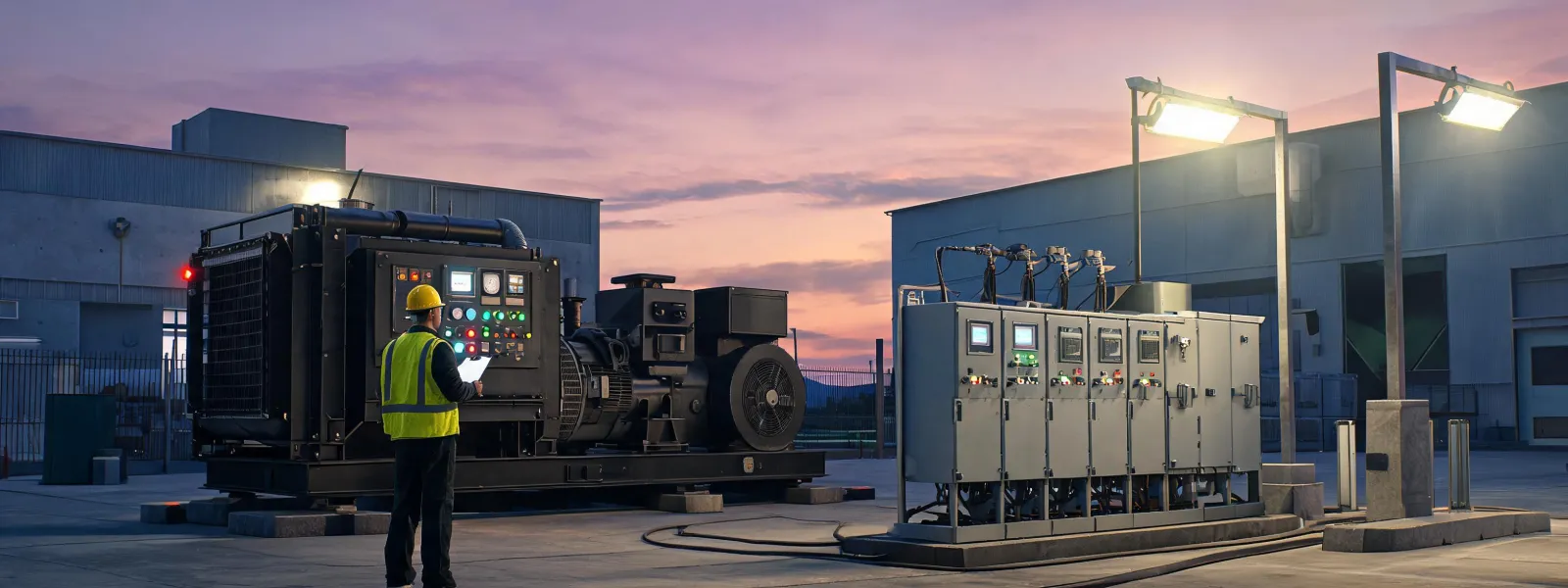
Standby generator commissioning at a commercial facility

Turn a site walk into an actionable service scope

Share the voltage, load schedule, generator model, fault history and desired response window. We will help organize the next technical conversation without assuming that every site uses the same maintenance pattern.

Request a Service Review